Outdoor Living Ideas for Spencerville, MD Homes
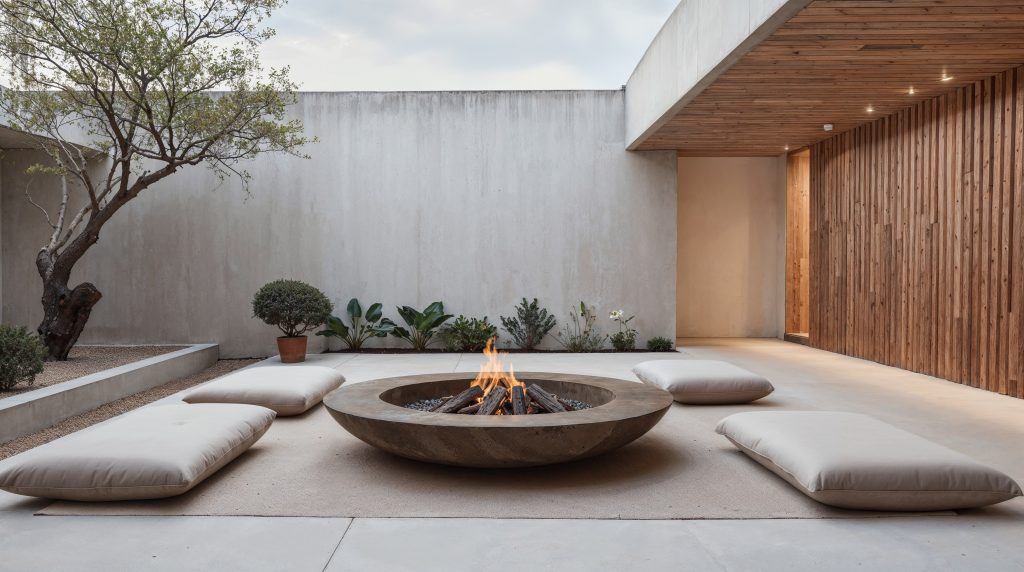
Outdoor spaces have become an important part of how people use their homes in Spencerville, MD. Yards are no longer just open areas. They are functional spaces designed for relaxation, entertainment, and everyday living. Outdoor living focuses on creating comfortable and practical environments that extend the home beyond its walls while matching local climate and lifestyle needs.
What Outdoor Living Means for Local Properties
Outdoor living combines design, construction, and planning to create usable exterior spaces. These areas are built to support daily activities while remaining durable through seasonal changes.
Common outdoor living features include patios, seating areas, kitchens, fire features, and covered structures. Each element works together to create balance between comfort and functionality.
Many homeowners invest in outdoor living Spencerville, MD solutions to improve how they enjoy their property year round.
Benefits of Outdoor Living in Spencerville
Outdoor living offers both lifestyle and property value benefits. Well designed spaces encourage more time outdoors and improve overall quality of life.
Key advantages include:
- Expanded usable living space
- Increased home value
- Better use of yard areas
- Improved curb appeal
Outdoor living also supports social gatherings and quiet personal time.
Popular Outdoor Living Spaces for Homes
Design choices often reflect how a household plans to use the space. Function should always guide design decisions.
Patios and Seating Areas
Patios serve as the foundation for most outdoor living spaces. They provide stable surfaces for furniture and foot traffic.
Proper material selection helps patios handle moisture, temperature changes, and daily use.
Outdoor Kitchens and Dining Areas
Outdoor kitchens allow for cooking and dining without leaving the yard. These areas often include grills, counters, and storage.
Design planning ensures proper spacing and safe placement of equipment.
Fire Features and Gathering Areas
Fire pits and fireplaces add warmth and extend outdoor use into cooler months. They also create natural gathering points.
Safety and placement are essential considerations during installation.
Homeowners seeking outdoor living spaces Spencerville, MD often start with these core features.
Design Considerations for Outdoor Living
Good design balances appearance with long term use. Every outdoor living project should consider climate, property layout, and maintenance needs.
Important design factors include:
- Sun exposure and shade needs
- Drainage and water flow
- Traffic patterns and access
- Material durability
Thoughtful planning reduces future repairs and improves daily comfort.
Integrating Outdoor Living With Landscaping
Outdoor living works best when integrated with surrounding landscaping. Plants soften hard surfaces and provide visual balance.
Trees and shrubs can offer shade and privacy. Flower beds add color and seasonal interest.
A cohesive design ensures outdoor living areas feel connected to the rest of the property rather than separate additions.
Custom Outdoor Living Design Options
Customization allows homeowners to create spaces that fit their lifestyle. Each design should reflect how the space will be used.
Covered Structures and Shade
Pergolas, pavilions, and covered patios provide protection from sun and rain. These features extend usability during changing weather.
They also add architectural interest to the yard.
Lighting and Accessibility
Outdoor lighting improves safety and ambiance. Walkway lights, accent lighting, and task lighting all serve specific purposes.
Accessibility features such as steps and railings support safe movement throughout the space.
Professional outdoor living design Spencerville, MD services help ensure these elements are planned correctly.
Outdoor Living for Entertaining
Outdoor living spaces are ideal for hosting guests. Seating layouts, dining areas, and open flow support gatherings of all sizes.
Designs should allow for easy movement and comfortable spacing. Durable materials help manage wear from frequent use.
Entertaining focused spaces often become the most used areas of the home.
Long Term Value of Outdoor Living Investments
Outdoor living is a long term investment. Quality materials and professional installation improve durability and reduce maintenance.
Well built outdoor spaces can last for many years while maintaining appearance and function.
In Spencerville, MD, outdoor living also supports property value by appealing to future buyers who value functional exterior spaces.
A properly planned outdoor living area enhances both daily life and long term property performance.
Choosing the Right Outdoor Living Partner
Selecting the right provider is critical to project success. Experience with local conditions and materials ensures better outcomes.
Property owners should look for clear communication, detailed planning, and proven results.
A knowledgeable local provider helps avoid common design and installation issues.
Outdoor living spaces should feel like natural extensions of the home, built to support comfort, durability, and enjoyment in every season.